
Mastering Crowd Control at Closed Corporate Events in Florida: Your Step-by-Step Guide
Hosting a successful corporate event in Florida isn’t just about having good food or the perfect venue; it’s about managing the crowd efficiently. When the room is packed, and everyone’s eager to connect, how do you keep things running smoothly without chaos? That’s where strategic crowd control steps in. Think of it like conducting an orchestra—everyone needs to be in sync for the performance to shine. Let’s break down the essential steps to ensure your next closed corporate event runs seamlessly.
Understanding the Importance of Effective Crowd Control
Why does crowd control matter so much? Well, it influences safety, experience, and even your company’s reputation. A chaotic scene can cause accidents, discomfort, or even legal issues. Conversely, well-managed crowds foster a professional atmosphere, boost engagement, and ensure that everyone leaves with a positive impression. So, it’s not just about keeping people in check—it’s about creating a safe, enjoyable environment.
Kickstart Your Planning with a Solid Strategy
Define Your Objectives and Expectations
Before anything else, ask yourself: What does a successful crowd management look like for your event? Is it seamless entry? Smooth flow within the venue? Safe evacuation in case of emergency? Clarify these goals early. They’ll guide your planning process.
Know Your Audience and Venue
Are your attendees mostly corporate executives or young professionals? The crowd’s demographics influence how you plan crowd control. Also, familiarize yourself with your venue’s layout—exits, entrances, choke points, emergency routes. It’s like having a map in a maze.
Implement Effective Pre-Event Measures
Strategic Ticketing and Guest Lists
Control the flow from the moment guests arrive with well-managed invites or registration. Consider staggered check-ins to prevent bottlenecks. Using digital tickets allows for efficient tracking and reduces queues.
Clear Signage and Communication
Set expectations early. Use signs to direct traffic clearly—“Registration Here,” “Restrooms,” “Emergency Exits.” Announce important info via email or event apps beforehand. Clear communication cuts down confusion and unnecessary crowding.
Optimize Venue Layout and Design
Create Flow-Optimized Spaces
Arrange furniture, stations, and entrances to promote natural movement. Use open spaces and avoid overcrowding key areas. Think of your venue as a circuit board—every component must connect smoothly.
Designate Entry and Exit Points
Separate entry and exit points minimize congestion. Use barriers or stanchions to guide lines and prevent cross-traffic. It’s like guiding traffic on busy streets—organized lanes keep everything moving.
Leverage Technology for Real-Time Monitoring
Use CCTV and Crowd Analytics
Install cameras to monitor real-time crowd density and identify potential bottlenecks early. Advanced analytics can flag areas that need attention before issues escalate.
Deploy Mobile Apps and Waitlist Systems
Encourage guests to check in via mobile apps. Dynamic waiting lists inform attendees about wait times, reducing unnecessary crowd gathering at the entrance.
Staff Wisely: Trained Crowd Control Personnel
Hire Experienced Staff
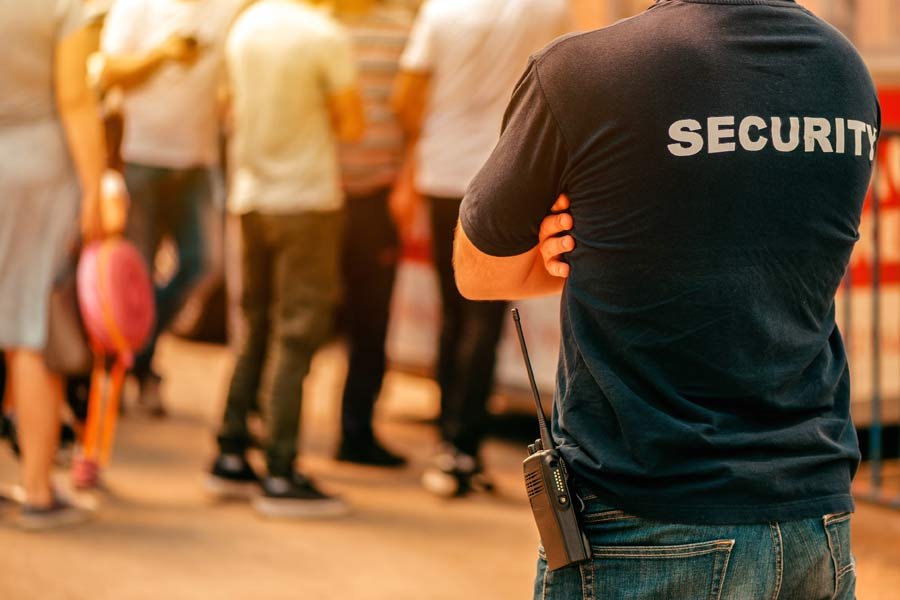
Bring in trained professionals familiar with crowd management tactics. They’re like the traffic cops of your event—directing, assisting, and keeping everyone safe.
Assign Specific Roles and Areas
Designate team members for check-in, guiding guests, emergency response, and monitoring specific zones. Clear roles ensure no area gets overlooked.
Establish Emergency Procedures and Safety Protocols
Develop a Clear Emergency Plan
Know what to do in cases of fire, medical emergencies, or evacuations. Communicate this plan to all staff and have visible signage. Think of it as your safety blueprint.
Conduct Staff Drills
Practice emergency scenarios beforehand. Practice makes perfect, and it ensures everyone knows their role when it counts.
Engage Guests and Manage Expectations
Provide Information and Assistance
Use personal touches like friendly staff and informative signage to make guests feel guided and comfortable.
Encourage Responsible Behavior
Remind attendees to follow signage and staff instructions. Sometimes, a simple gentle reminder prevents chaos.
Post-Event Evaluation and Feedback
Review Crowd Flow and Identify Bottlenecks
After the event, analyze what worked and what didn’t. This insight helps refine your approach for future events.
Gather Attendee Feedback
Ask guests about their experience. Their insights can highlight overlooked issues and offer ideas for even better crowd management.
Conclusion
Managing crowds at closed corporate events in Florida might seem daunting, but with proper planning, strategic layout, and professional staff, you can turn chaos into a well-choreographed dance. Think of your event like a symphony—every element working in harmony to create the perfect performance. When everyone knows where to go, what to do, and feels safe, your event will not only impress but also set a standard for future gatherings. So, plan ahead, leverage technology, train your team, and keep your guests engaged and informed. That’s your recipe for unforgettable, smooth-flowing events in the Sunshine State.
FAQ
What are the most effective crowd control tools for Florida corporate events?
Barrier systems, signage, wristbands, digital check-ins, and surveillance cameras are essential tools. They help guide attendees, monitor flow, and enhance safety.
How many staff members should I assign per 100 guests?
A general rule is about 1 staff member per 20-25 guests, depending on the event size and complexity. More staff ensures better management and quicker response times.
Is it necessary to have security personnel at closed events?
Yes, security personnel help enforce policies, handle emergencies, and maintain order. They’re your frontline in ensuring safety.
Can technology replace human crowd managers?
While technology provides valuable data and insights, trained human staff are irreplaceable for real-time decision-making and personal interactions.
How can I prepare for emergency evacuations?
Develop a clear evacuation plan, educate your staff, conduct drills, and ensure all emergency exits are accessible and well-marked. Practice makes perfect!