
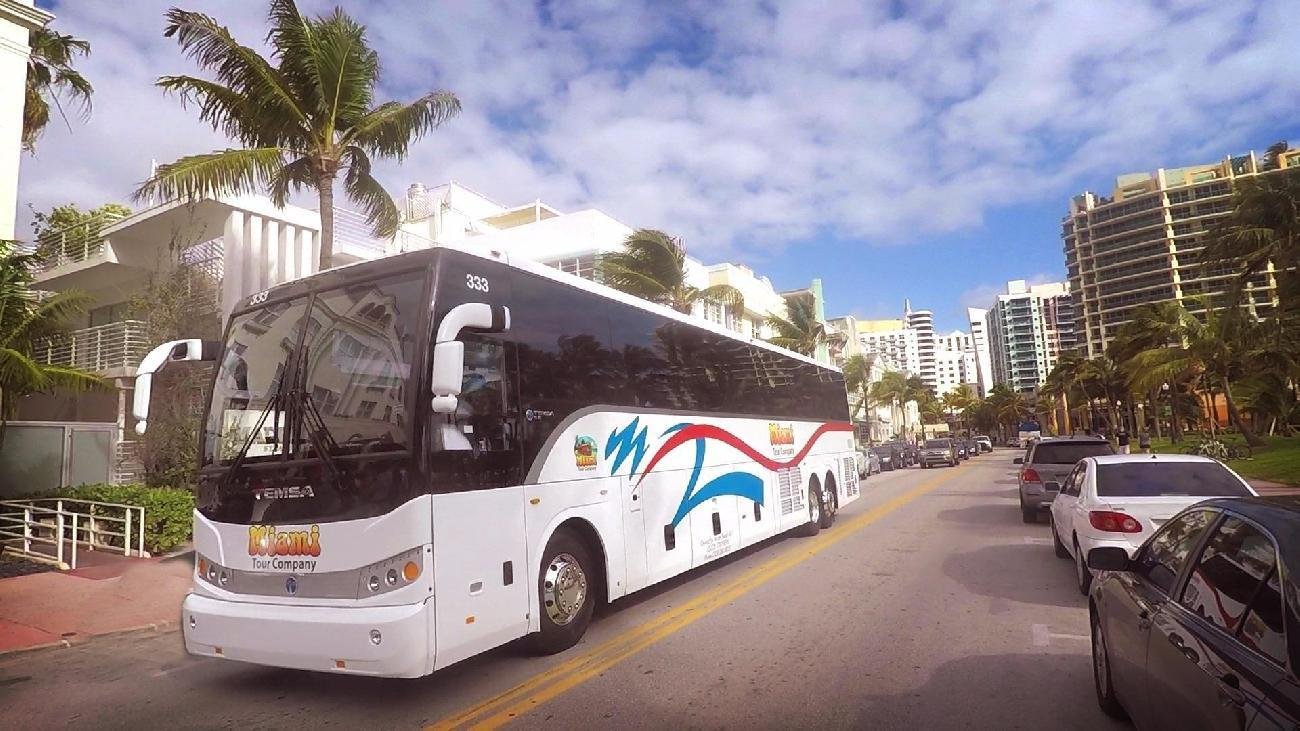
Planning a memorable trip for international visitors is like crafting a perfect playlist—you want a little bit of everything to keep everyone engaged. Florida, with its endless beaches, vibrant cities, and natural wonders, is a treasure trove for tourists. But how do you create routes that truly captivate foreign travelers? Let’s dive into the art and science of planning seamless, exciting tourist routes in the Sunshine State.
Understanding Your Audience: Who Are Your Foreign Attendees?
Before you start sketching itineraries, get to know who’s coming. Are they adventure seekers, culture lovers, or family vacationers? Different nationalities also have unique expectations and travel habits. For example, Europeans may enjoy cultural sites, while East Asians might prioritize shopping and entertainment.
Ask yourself: What languages do they speak? Do they have dietary restrictions? How long will they stay? Knowing these details helps tailor your routes for maximum enjoyment and comfort.
Research International Travelers’ Interests in Florida
Florida isn’t one-size-fits-all; it offers a buffet of experiences. Some popular interests among foreign tourists include:
– Beaches and outdoor activities – Theme parks and entertainment – Cultural and historical sites – Nature and eco-adventures – Shopping and nightlife
Matching these interests with specific locations ensures your route resonates and feels personalized.
Optimize Your Itinerary for Ease and Experience
Keep Travel Times Reasonable
No one likes spending hours stuck in traffic or on the road. Plan routes that minimize travel time between attractions to maximize enjoyment. Use tools like Google Maps or route planners to estimate durations and find the most efficient paths.
Imagine it like assembling a playlist—you want a nice flow, not abrupt stops. Similar idea with routes: smooth transitions keep excitement high.
Balance Act: Mixing Major Attractions with Hidden Gems
Don’t just stick to the obvious! Include popular spots but sprinkle in lesser-known local favorites. This provides a richer, more authentic experience and avoids over-crowded tourist traps.
Leverage Technology and Tools for Route Planning
Use digital map services, route optimization apps, and even AI-powered planners. Apps can suggest the best routes based on current traffic, weather, and even crowd levels, making your plan dynamic and responsive.
Consider creating an interactive map with clickable points of interest. Your guests can explore options and even customize their journey, giving a sense of adventure and control.
Incorporate Local Insights and Cultural Tips
Every city and region in Florida has its own vibe. Share insider tips—like the best time to visit a park to avoid crowds or local eateries that serve authentic cuisine. These touches make the trip feel special and personalized.
Factor in Language Barriers and Accessibility
Ensure your route and resources are accessible in multiple languages. Provide maps, guides, and signs in the visitors’ native tongues where possible. Also, consider mobility options for elderly or disabled travelers, making sure everyone feels included.
Plan for Flexibility and Unexpected Turns
No matter how well you plan, things change—traffic jams, weather, or spontaneous desires to explore. Build buffer times and have backup plans. Think of it like a good road trip playlist—you want to keep the vibe smooth even if the playlist hits a skip.
Offer Themed Routes for Different Types of Travelers
Create presets for different interests:
– Family Fun Route: theme parks, zoos, kid-friendly beaches – Culture & History Tour: museums, historic districts, art galleries – Nature Escape: national parks, eco-tours, wildlife sanctuaries – Nightlife and Shopping: vibrant neighborhoods, outlet malls, live music venues
This way, travelers can pick a route aligned with their passions and time constraints.
Highlight Transportation Options
Guide your guests on the best ways to get around: rental cars, shuttle services, bikes, or public transit. In some areas, relying on ride-sharing might be more convenient. Provide practical tips—for example, the most scenic drives or parking advice.
Encourage Feedback and Continuous Improvement
After the trip, ask for feedback. What worked? What was missed? Use their insights to refine future routes. It’s like tuning a guitar—you’ll get better with each strum.
Final Tips for a Successful Tourist Route in Florida
– Keep it simple but exciting – Mix popular and off-the-beaten-path locations – Use tech tools for efficiency – Personalize based on interests and cultural background – Build in flexibility
Remember, your goal is to craft an experience that’s as warm and inviting as Florida’s beaches. When you plan thoughtfully, your foreign attendees will leave Florida with unforgettable memories—and probably a few requests to come back sooner!
Conclusion
Planning tourist routes for foreign visitors isn’t just about stringing together attractions; it’s about creating an experience tailored to their desires, making every minute count, and embracing Florida’s diverse charm. By understanding your audience, leveraging technology, and adding personal touches, you can turn a simple itinerary into a curated adventure that delights and amazes. Think of it as building a bridge—connecting travelers to the very best of what Florida has to offer. So, get ready to map out some unforgettable journeys!
FAQ
How do I choose the best attractions for international tourists?
Identify their interests—beach lovers, adventure seekers, culture enthusiasts—and include a mix of iconic sites and local hidden gems tailored to those passions.
What tools can help me optimize route planning in Florida?
Apps like Google Maps, RouteXL, and Roadtrippers are excellent for route optimization, considering traffic, opening hours, and distances to save time and enhance travel flow.
How should I handle language barriers when planning routes?
Create multilingual guides, maps, or apps; consider hiring bilingual guides or using translation tools to ensure clarity and comfort for travelers.
What tips can make Florida travel routes more eco-friendly?
Encourage the use of public transportation or bikes, promote walking tours in compact areas, and suggest eco-conscious attractions that prioritize sustainability.
How can I incorporate local culture into tourist routes?
Include visits to local markets, cultural festivals, historic districts, and recommend small, family-run eateries or artisans—immersing tourists in authentic Florida life.