
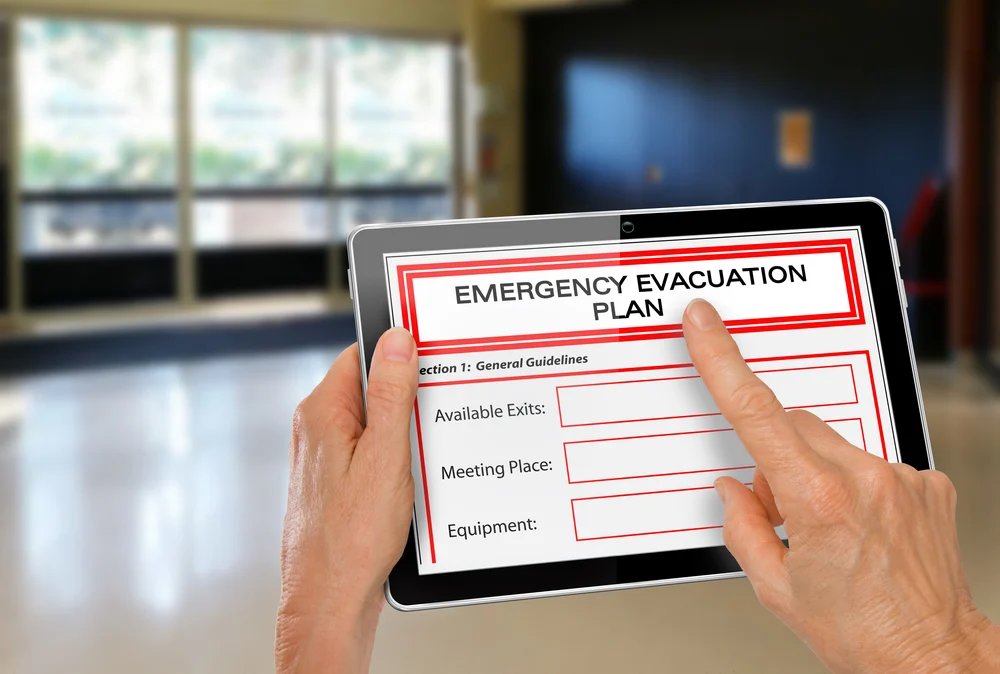
Why You Need a Tailored Emergency Plan for Indoor Spaces in Texas
Have you ever thought about what you’d do if disaster struck your Texas home or business? With the state’s unique climate and diverse threats—think hurricanes, tornadoes, or even widespread power outages—it’s crucial to have a solid, customized emergency plan. Not just a generic checklist, but one tailored specifically to your space and circumstances. It’s like having a personalized safety blueprint designed just for you. Ready to craft your own? Let’s dive in.
Understanding the Unique Risks in Texas Indoor Spaces
Texas isn’t just big geographically; its hazards are just as vast. From the Gulf Coast hurricanes to Central Texas tornadoes, each region presents different challenges. Indoors, these threats can become even more dangerous if you’re unprepared. Knowing what risks you face is the first step in designing an effective emergency plan.
Common Texas-Specific Indoor Hazards
Hurricanes and tropical storms can cause flooding and power outages. Tornadoes can strike swiftly, damaging structures and trapping you inside. Severe thunderstorms might lead to flash floods or downed trees. Additionally, the heat and humidity increase risks of heat exhaustion or mold growth after incidents. Recognizing these hazards helps you prioritize safety measures.
Assessing Your Indoor Space Risks
Take a walk through your property. Note weak points—doors, windows, ceilings prone to leaks—and risks such as nearby drainage or tree hazards. Create a checklist of potential danger zones. For example, if your house is near a creek, flooding might be the biggest concern.
Key Elements of an Effective Emergency Plan for Indoor Spaces
Designing a plan isn’t just about writing things down; it’s about creating a practical, actionable guide tailored to YOUR space. Here are the core components.
Emergency Contacts and Communication
Compile a list of essential contacts: local emergency services, nearby friends or family, your property manager (if applicable), and utility companies. Ensure everyone knows how to reach these numbers quickly. Consider setting up an emergency communication plan, like a group chat or designated meeting spot.
Evacuation Procedures and Safe Spots
Even if you plan to stay indoors, you need a backup. Identify safe rooms—interior spaces away from windows, with sturdy walls—that can serve as shelter during storms or tornadoes. Practice evacuation routes from your current location to these safe spots.
Emergency Supplies and Stockpiles
Keep a well-stocked emergency kit tailored for indoor needs. Include water, non-perishable food, flashlights, batteries, a first-aid kit, masks, and hygiene items. Don’t forget supplies for pets or specific family members with special needs.
Specific Considerations for Texas Indoor Emergency Planning
Every space is different, and Texas’s unique climate demands special attention.
Weather-Resistant Sheltering
Ensure your indoor shelter areas are fortified against high winds, water infiltration, and debris. Install storm shutters or plywood coverings for windows. Seal leaks and reinforce doors if necessary.
Power Outage Preparedness
Power outages happen often during storms. Have backup power options: portable generators, power banks, or solar chargers. Keep your devices charged and have alternative lighting ready.
Flood Preparedness Inside Indoors
If your home is flood-prone, elevate critical appliances and electronics. Use sump pumps or barriers to mitigate water entry. Keep dry bags or waterproof containers with vital documents and valuables.
Creating an Emergency Response Routine
Having a plan is great, but practicing it makes all the difference.
Regular Drills and Rehearsals
Schedule periodic drills—simulate storm warnings or power outages. Practice your evacuation routes and shelter procedures. Make adjustments based on lessons learned.
Family and Staff Training
Everyone should know their role. Teach family members, roommates, or employees what to do in different scenarios. Simulate communication failures or surprises to test readiness.
Leveraging Technology for Indoor Emergency Preparedness
Technology can be a lifesaver.
Emergency Apps and Alerts
Download reliable weather alert apps tailored for Texas. Enable emergency notifications from local authorities. These tools provide real-time updates, warnings, and safety tips.
Smart Home Safety Devices
Install smart smoke detectors, carbon monoxide alarms, and security cameras. These devices can send alerts directly to your phone, helping you stay informed even when you’re not home.
Maintaining and Updating Your Emergency Plan
An emergency plan isn’t a set-it-and-forget-it deal. Life changes, weather patterns evolve, and new hazards emerge.
Review Your Plan Annually
Set a calendar reminder to review your plan each year. Update contact info, inventory lists, and safety procedures as needed.
Adjust for Seasonal Changes
In Texas, summers bring heat and storms, while winters might involve rare cold snaps. Adapt your plan to current risks.
Seeking Professional Help for Emergency Planning
Sometimes, it pays to get expert advice.
Consulting Texas Emergency Services
Reach out to local agencies—they can offer region-specific guidance and resources.
Hiring Emergency Preparedness Professionals
Consider hiring specialists to assess your indoor space and provide tailored recommendations, especially for large or complex properties.
Final Thoughts: Your Safety Is in Your Hands
Designing an emergency plan tailored to your indoor space in Texas might seem overwhelming at first, but think of it as building a safety net. The more you prepare, the more confident you’ll feel when disaster strikes. Remember, it’s not just about survival but about safeguarding your loved ones, pets, and property. Take actionable steps today—your future self will thank you.
FAQs
How often should I review and update my emergency plan?
Review your plan at least once a year, and after every significant weather event or major change in your home or family situation. Regular updates ensure your plan remains effective and relevant.
What are the most critical items to include in my indoor emergency kit?
Essential items include water, non-perishable food, flashlight, batteries, a first-aid kit, face masks, hygiene supplies, and copies of important documents. Tailor your kit to your specific needs and household members.
How can I protect my indoor space from flooding in Texas?
Elevate critical electronics and valuables, install sump pumps or barriers, seal cracks and leaks, and keep sandbags handy for quick deployment during heavy rains.
What should I do if I lose power during a storm?
Use backup generators or portable power banks. Turn off non-essential appliances to prevent overload. Keep refrigerators and freezers closed to preserve food. Use battery-powered lights and stay informed via emergency apps.
Are there any local resources in Texas to help with emergency planning?
Yes, organizations like the Texas Division of Emergency Management and local fire or police departments offer resources, guides, and sometimes free consultations for community members. Check their websites or contact them directly.